
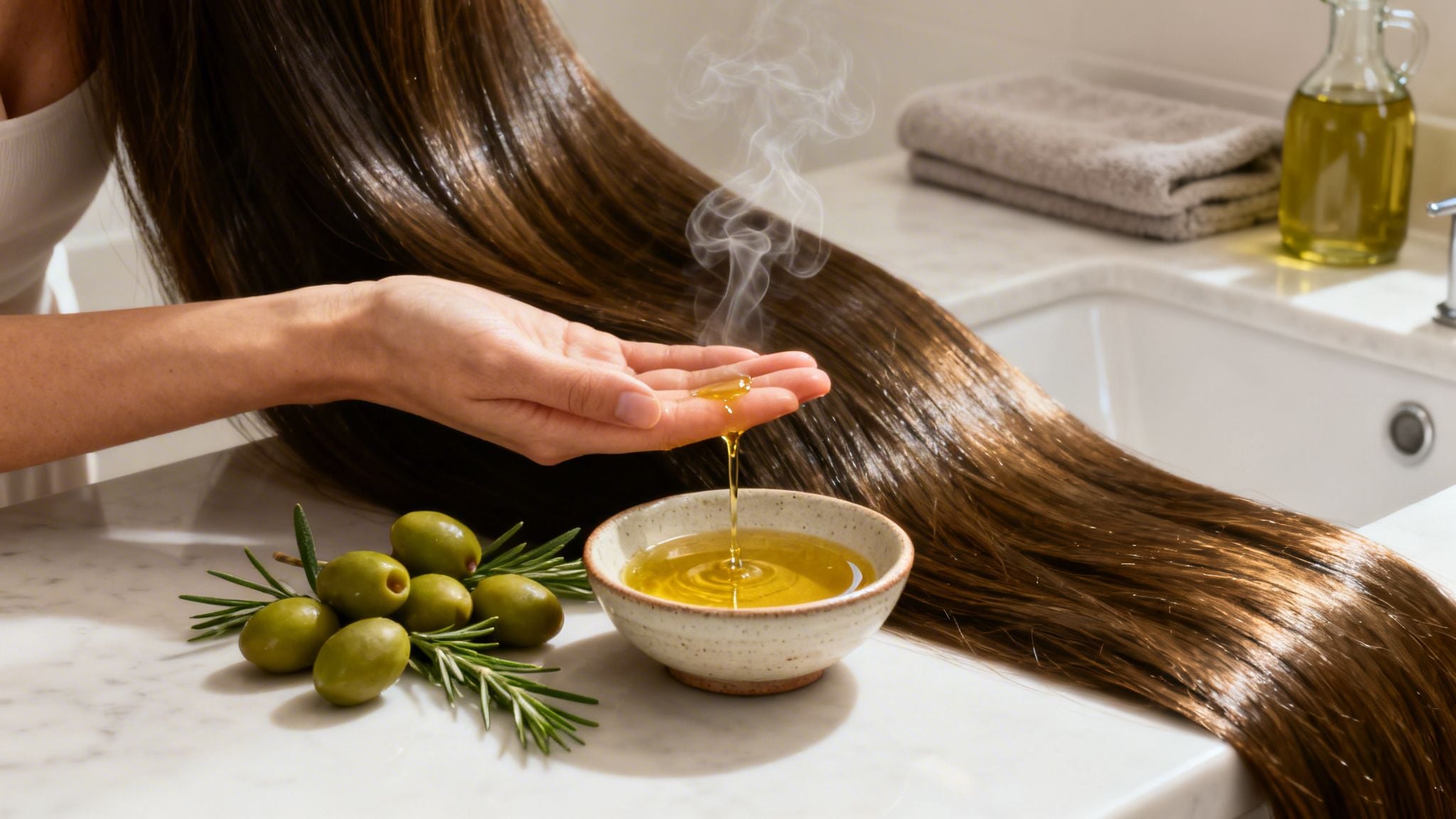
A hot olive oil treatment is a simple, time-honored hair ritual. All you do is gently warm up some good olive oil and work it through your hair and scalp. For centuries, people have relied on this trick to deeply moisturize, strengthen, and bring a beautiful shine to their hair, making it a go-to remedy for dryness and damage.
Why This Ancient Ritual Still Works Wonders for Hair
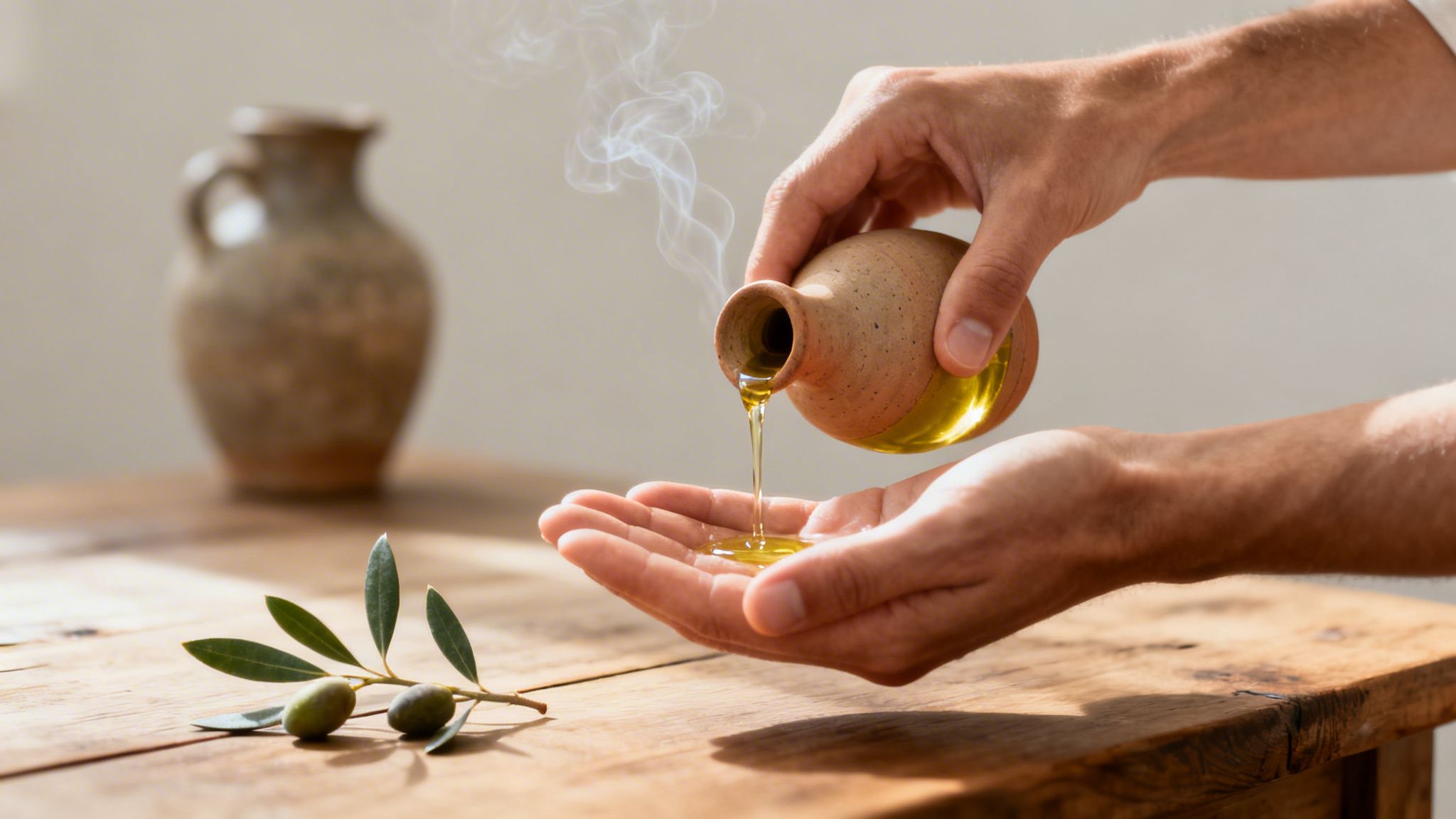
Ever notice how some beauty secrets just never go out of style? A hot olive oil treatment is one of them. It's been passed down through generations not because it's trendy, but because it genuinely works. You can see the results for yourself.
This isn't about some complicated, chemical-heavy routine. It's about getting back to basics with something that solves our most common hair problems. If you're fighting a losing battle with brittle strands, a dry and itchy scalp, or just dull-looking hair, this old-world remedy offers a surprisingly simple and effective fix. It’s all about giving your hair the pure, deep moisture it's been asking for.
A Legacy of Lustrous Hair
Using olive oil on hair is far from a new idea; its history as a beauty essential goes back thousands of years. In ancient Mediterranean cultures, it was practically liquid gold for its nourishing abilities.
We know that around 1500 BCE in ancient Egypt, influential figures like Cleopatra used olive oil blends to keep their famous hair healthy. Ancient Greeks and Romans also warmed olive oil for scalp massages to boost shine and strength—practices that were even noted by Hippocrates. You can explore more about these historical hair care practices and see how they still apply today.
This long-standing tradition isn't just folklore. It's all based on the oil's natural makeup, which works perfectly with our hair's own structure. It really proves that sometimes the best solutions have been right in front of us the whole time.
Key Takeaway: A hot olive oil treatment is more than just a passing trend; it's a historical practice proven by centuries of use. Its power comes from delivering natural moisture and nutrients straight to the hair and scalp.
What Makes It So Effective Today
Even with all the modern hair products on the shelves, the beauty of a hot olive oil treatment is its simplicity. Gently warming the oil helps it penetrate the hair shaft much more deeply than applying it cold. This allows all those rich nutrients to get in and work their magic from the inside out.
Here’s how it tackles some very modern hair issues:
- Restores Moisture Balance: If your hair feels constantly thirsty—especially if it's curly or has high porosity—warm oil sinks in to replenish that lost moisture. The result is hair that's noticeably softer and easier to manage.
- Soothes Scalp Irritation: For anyone dealing with a dry, tight, or flaky scalp, the oil’s emollient properties can bring instant comfort and create a healthier environment for hair growth.
- Strengthens Brittle Hair: By nourishing the hair fiber and sealing the outer cuticle, the treatment improves elasticity and cuts down on breakage. Over time, this leads to stronger, more resilient hair.
At the end of the day, doing a hot olive oil treatment is a small act of self-care that's both grounding and incredibly effective. You're choosing to nurture your hair with an ingredient that has proven its worth for millennia, and that's a choice you can feel good about.
Unpacking the Science Behind a Hot Olive Oil Treatment
Ever wonder why a warm olive oil treatment feels so incredible on your hair? It’s not just a comforting ritual. There’s some fascinating science at play, and it all comes down to the oil's unique chemical makeup and the simple act of warming it up.
When you gently heat olive oil, you’re essentially giving its powerful nutrients a VIP pass into your hair strands. Let's break down what's really happening.
The Power of Penetrating Fatty Acids
The hero ingredient in olive oil is oleic acid, a type of fatty acid that makes up the bulk of the oil. What makes it so special? Its molecular structure is small enough to actually penetrate the hair shaft, rather than just sitting on top like some other oils.
Heat supercharges this process. A little warmth gently lifts your hair’s outer layer (the cuticle), creating tiny openings. The oleic acid then slips inside to moisturize the hair's core, or cortex, from the inside out. This is a total game-changer if you have chronically dry, high-porosity hair, like from coloring or heat styling.
Think about that brittle, crunchy feeling after a bleach session. A warm olive oil treatment helps fill in the gaps and smooth that roughed-up cuticle back down. The result? Hair that’s instantly more flexible, less frizzy, and has that healthy shine you thought was gone for good.
Antioxidants and Vitamin E for Protection
Olive oil is more than just a moisturizer. It's packed with potent antioxidants like polyphenols and vitamin E, which act as your hair’s personal security team.
Every day, things like UV rays and air pollution unleash damaging free radicals on your hair. Over time, this "oxidative stress" weakens hair proteins, leading to dullness, breakage, and faded color. The antioxidants in olive oil swoop in to neutralize this damage before it can take hold.
This protective quality is why a hot olive oil treatment can feel so restorative. You aren't just adding moisture; you're actively defending your hair against the daily elements that seek to strip it of its health and vitality.
Soothing the Scalp for Healthier Growth
You can't have healthy hair without a healthy scalp, and this is another area where olive oil truly excels. Its natural anti-inflammatory properties can calm an irritated, itchy, or flaky scalp.
This is a huge relief for anyone prone to scalp sensitivity. In fact, a hot olive oil treatment is a well-known remedy for dandruff and general dryness—conditions that affect roughly 45% of women worldwide.
Gently warming extra virgin olive oil to around 104°F (40°C) makes it even better at soothing and moisturizing the scalp. One study revealed that 68% of participants with seborrheic dermatitis saw a 55% reduction in scalp itchiness after regular treatments. You can discover more about these benefits for your hair from the pros.
By bringing balance back to your scalp, you’re creating the perfect foundation for stronger, healthier hair to grow.
How Olive Oil Compares to Other Oils
With so many hair oils out there, it's easy to get confused about which one does what. While most oils offer some benefits, their unique properties make them suited for different jobs. Olive oil’s ability to penetrate the hair shaft is what makes it a star performer in a hot oil treatment.
Here’s a quick look at how it stacks up against other favorites.
Olive Oil vs Other Popular Hair Oils
| Oil Type | Key Benefit | Best For Hair Type | Penetration Level |
|---|---|---|---|
| Olive Oil | Deep moisturization and strengthening | Dry, thick, damaged, or color-treated hair | High (penetrates the hair shaft) |
| Coconut Oil | Prevents protein loss and adds shine | Most hair types, but can be heavy for fine hair | High (penetrates deeply) |
| Argan Oil | Tames frizz and adds a lightweight shine | Fine, frizzy, or medium-textured hair | Moderate (mostly coats the surface) |
As you can see, that high penetration level is precisely why warming olive oil is so effective. The heat simply enhances its natural talent for getting past the surface and delivering nourishment right where your hair needs it most. This deep-down action is what gives you that lasting softness and strength you can actually feel.
How to Do a Hot Olive Oil Treatment the Right Way at Home
Alright, now that we've covered the "why," let's get into the "how." You don't need a salon to get incredible results with this treatment. Doing it at home is surprisingly simple, but a few key details make all the difference between luscious locks and a greasy mess. I’m going to walk you through my personal, time-tested method to make sure your hair soaks up all the goodness.
Let’s get your hair on the path to being softer, shinier, and healthier than ever.
Start With the Star Ingredient
Honestly, your treatment is only as good as the oil you choose. When you’re in the grocery aisle, make a beeline for a quality extra virgin olive oil (EVOO). Trust me on this—it’s the one thing you shouldn’t compromise on.
EVOO is the purest, least-processed version you can buy. It's cold-pressed right from the olives, which means it hangs onto the highest levels of all those fantastic fatty acids, vitamins, and antioxidants your hair craves. Using anything else is like trying to make a gourmet meal with subpar ingredients; it just won't be the same.
You’ll see other types like "light" or "pure" olive oil, but those have been processed more heavily, stripping them of the very nutrients we're after. For a treatment that truly works, EVOO is the only choice.
Getting the Temperature Just Right
The "hot" in hot oil treatment can be a little misleading. We’re aiming for a pleasant, gentle warmth, not actual heat. If you get the oil too hot, you'll not only destroy its delicate nutrients but also risk a nasty burn on your scalp. The goal is simply to warm it enough to help it penetrate the hair cuticle.
Whatever you do, never use a microwave. It heats unevenly, creates dangerous hot spots, and will absolutely ruin the oil’s benefits.
Instead, here are two foolproof methods I always use:
- Double-Boiler: Pour about a quarter-cup of your EVOO into a small glass or ceramic bowl. Set that bowl inside a larger pot that has an inch or two of water in it. Heat the pot on the stove over low flame until the oil feels comfortably warm on your skin—not hot.
- Warm Water Bath: This one's even easier. Just boil some water and pour it into a heat-safe bowl. Then, set your smaller bowl of olive oil inside the hot water for a few minutes. It will warm up gently and perfectly.
Before that oil goes anywhere near your head, do a quick patch test. A little dab on the inside of your wrist will tell you if the temperature is safe and comfortable for your scalp.
This simple visual shows you exactly what the oil is doing for your hair once it’s applied.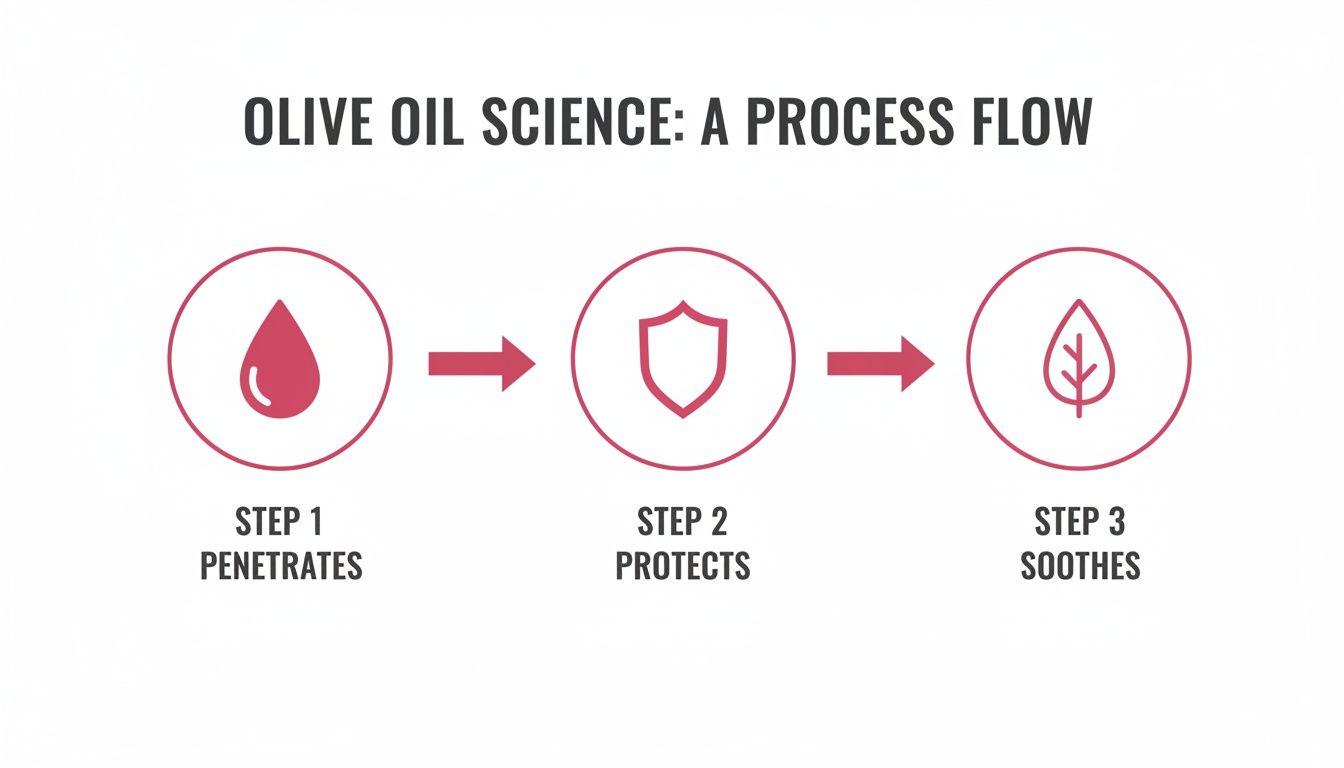
As you can see, the warmed oil first gets inside the hair strand, then builds a protective shield, and finally soothes the scalp.
How to Apply It for Maximum Coverage
This is where the magic happens. To get the best results, you want to make sure every strand is coated, from the root all the way to the tip. I always start with dry, detangled hair because it allows the oil to absorb directly without water getting in the way.
Sectioning your hair is the secret to success here. Use clips to divide your hair into at least four sections—maybe six or eight if your hair is especially thick or curly. Working in small, manageable parts is the only way to avoid missing spots.
I always like to start at the scalp. Dip your fingers in the warm oil and massage it right into your roots. It feels incredible, boosts circulation, and is a game-changer for a dry, flaky scalp.
After you’ve given your scalp a good massage, work the oil down the length of your hair to the ends. Your ends are the oldest and most fragile part of your hair, so don’t be shy—give them an extra-generous coating. Keep going section by section until your hair is fully saturated but not dripping wet.
Let It Marinate: Timing Is Everything
How long should you leave it in? This isn't a one-size-fits-all situation; it really depends on your hair’s texture and condition.
- Fine or Low-Porosity Hair: If your hair gets weighed down easily, 20-30 minutes is your sweet spot. That’s enough time for the oil to work its magic without leaving your hair feeling heavy.
- Thick, Coarse, or High-Porosity Hair: For hair that’s very dry, damaged, or porous, you’ll want to let it sit longer. Aim for 45-60 minutes. If your hair feels particularly parched, you can even go a bit longer.
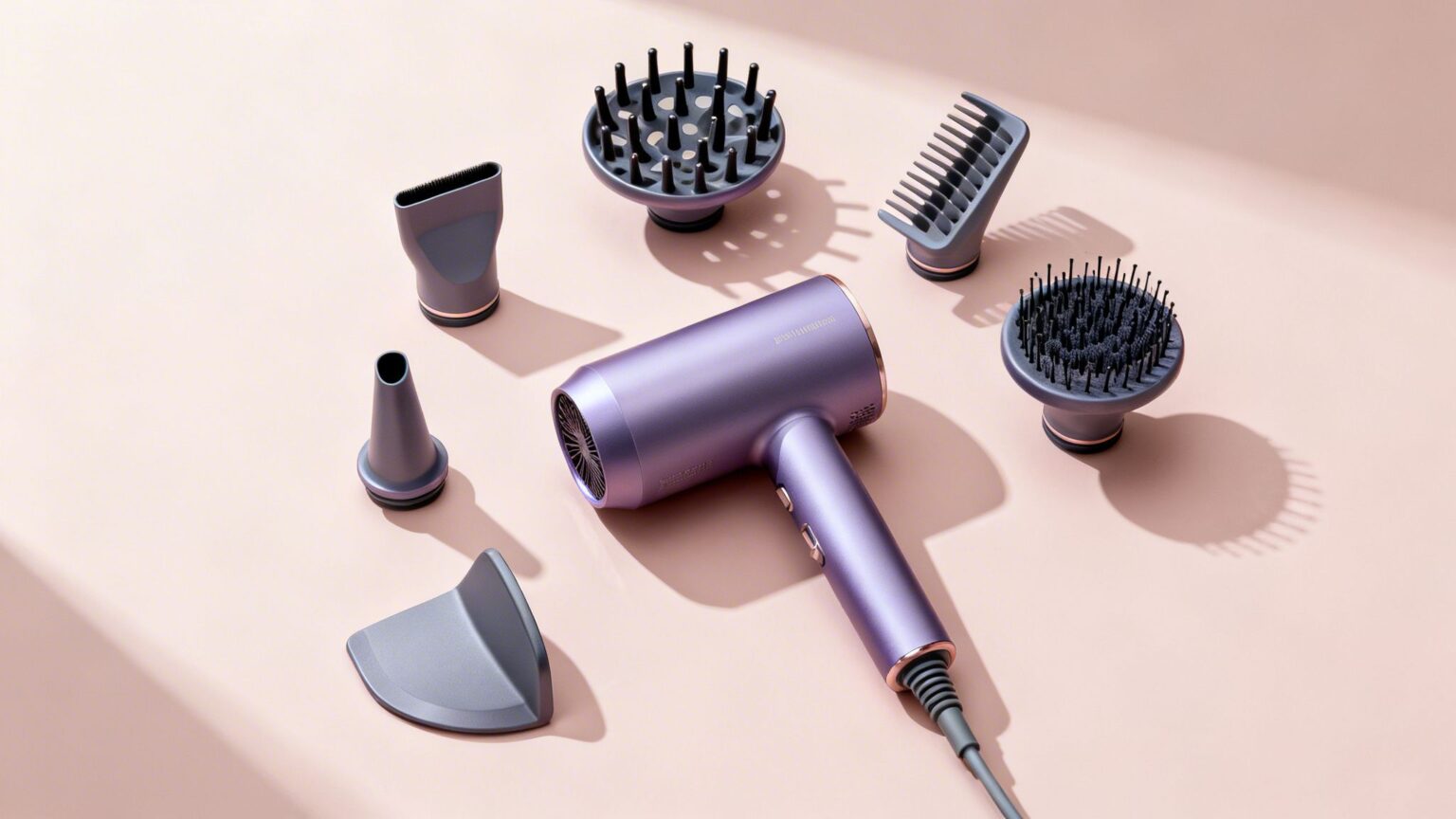
Once the oil is in, pile your hair on top of your head and pop on a shower cap or wrap it in a warm towel. This traps heat from your scalp, which helps keep the hair cuticles open so the oil can penetrate even more deeply. While you’re waiting, it’s a great time to learn other ways to keep your hair healthy, like by exploring this guide on hair dryer attachments for safe styling to help reduce heat damage.
The Most Important Step: Rinsing It Out
I can't stress this enough: how you rinse out the oil is what makes or breaks this treatment. If you do it wrong, you’ll be left with a greasy helmet of hair.
Here’s the trick: Do not wet your hair first!
Go straight for your shampoo. Apply a generous amount of a gentle, sulfate-free shampoo directly to your dry, oiled hair. Start massaging it in, working up as much of a lather as you can before any water touches it. This allows the shampoo to grab onto and emulsify the oil, which is key for a clean rinse.
After you’ve worked the shampoo in thoroughly, then you can step into the shower and rinse with warm water. You will almost certainly need to shampoo a second time to get rid of any lingering residue. Follow up with your regular conditioner, focusing it on your mid-lengths and ends, and you're done! Your hair should feel unbelievably soft and nourished, with absolutely no greasy feeling left behind.
Customizing Your Treatment for Your Hair Goals
A simple hot olive oil treatment is a beautiful thing. But this is where the real fun begins—when you start tailoring it to what your hair is actually asking for. After all, hair care isn't a one-size-fits-all deal.
Think of warm olive oil as your perfect starting point, a blank canvas. By adding just one or two other natural ingredients, you can transform a simple moisturizing treatment into a targeted remedy for whatever hair issue you're facing. It’s like becoming your own hair alchemist, right in your kitchen.
Creating a Moisture Bomb for Parched Hair
If your hair feels constantly thirsty, brittle, or just plain crunchy, your mission is maximum hydration. Olive oil is great for this, but to really take it to the next level, you need a humectant—an ingredient that actually pulls moisture from the air right into your hair strands.
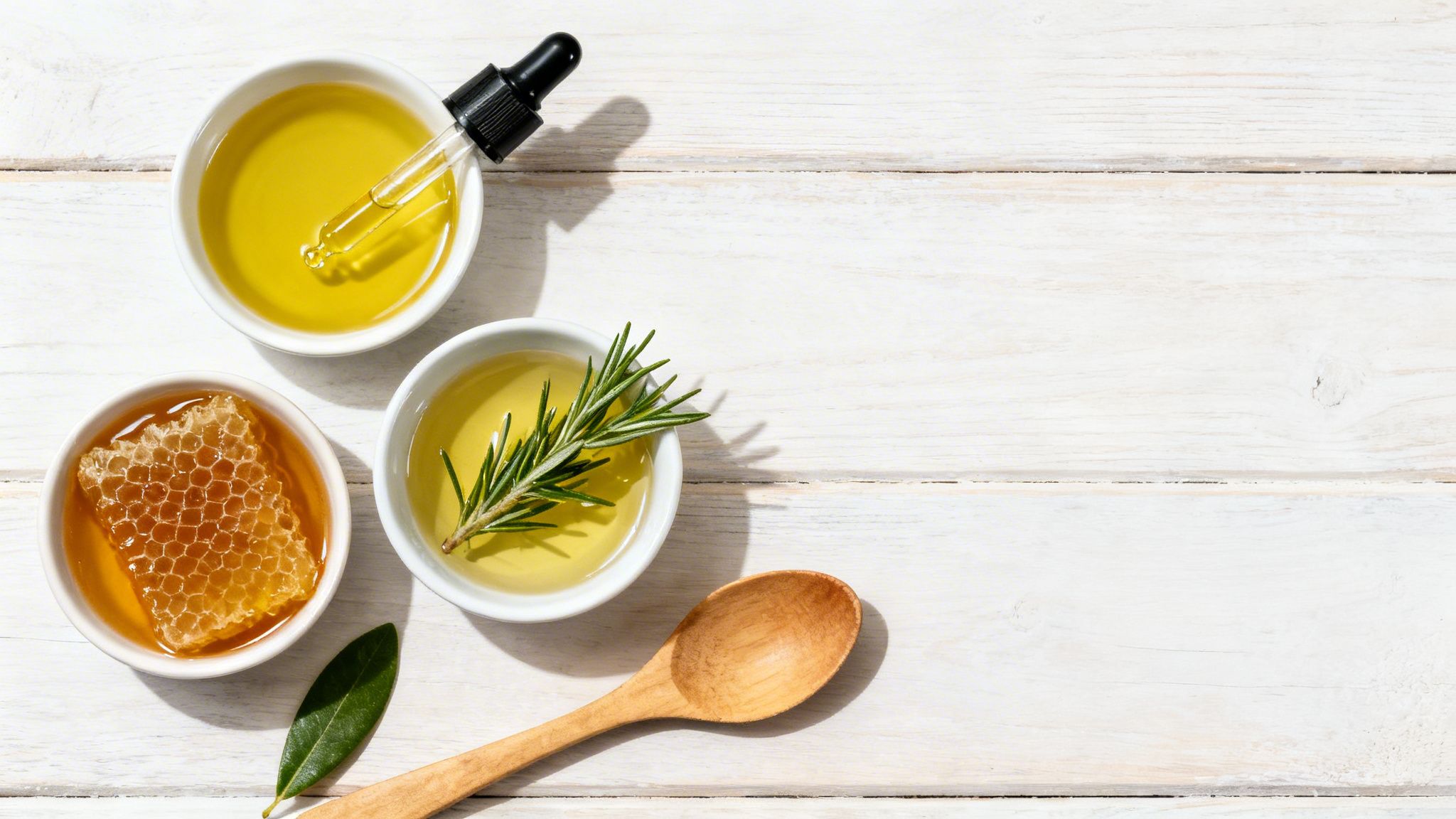
My absolute favorite for this is raw honey. It's a natural humectant that works with olive oil's rich fatty acids to create an incredible moisture-infusing mask. The result is hair that feels unbelievably soft and flexible.
Moisture-Boosting Recipe:
- Start with 1/4 cup of warm extra virgin olive oil.
- Stir in one tablespoon of raw honey and mix until it’s as smooth as you can get it.
- Work the blend through your hair from roots to ends, really focusing on the driest sections.
- Let it marinate for at least 45 minutes before you rinse.
This combo is a lifesaver for anyone with high-porosity hair or hair that’s been through coloring and struggles to hold onto moisture. The honey draws hydration in, and the oil locks it down.
Soothing an Irritated or Itchy Scalp
A happy scalp is the secret to great hair, but dandruff, itchiness, or just general irritation can throw everything off. If your scalp is sending out an S.O.S., adding an essential oil with some antimicrobial and anti-inflammatory muscle can make all the difference.
Tea tree oil is a powerhouse for this. Just a couple of drops can help calm things down and make your scalp a less inviting place for the microbes that cause flaking and itching.
A quick word of caution: Tea tree oil is potent stuff. You only need a little bit, and it must be diluted in a carrier oil (like your warm olive oil) to avoid irritation.
Scalp-Calming Recipe:
- Gently warm 1/4 cup of extra virgin olive oil.
- Add just 3 to 5 drops of a good-quality tea tree essential oil.
- Mix it up and apply this directly to your scalp. Spend a few minutes massaging it in with your fingertips to really get the circulation going and help the oils penetrate.
- You can pull any leftover oil through your ends, then let it all sit for about 30 minutes.
Supporting a Healthy Growth Environment
Let's be realistic: no oil will magically give you six inches of hair overnight. What you can do, however, is create the best possible environment on your scalp to encourage strong, healthy growth and prevent breakage. This is where rosemary essential oil shines.
Rosemary oil is famous for its ability to boost circulation right at the scalp. Better blood flow means more nutrients get delivered to your hair follicles, which is crucial for growing stronger hair. When you pair it with olive oil, you get a deeply nourishing treatment that strengthens hair from the very root.
For this blend, consistency is everything. Regular use helps keep your scalp in prime condition. If you want to dive deeper into protecting your hair from damage, you might find our guide on how to repair damaged dry hair and maintain its health really helpful.
Adjusting for Fine Hair
If you have fine hair, the idea of slathering it in oil might give you nightmares of flat, greasy locks. I get it. But you don't have to miss out—you just need a slightly different strategy.
The secret is all in where you apply the oil. Instead of a full-on root-to-tip saturation, focus the treatment only on your mid-lengths and ends. This part of your hair is the oldest and usually the driest, so it's where the nourishment is needed most.
By keeping the oil away from your roots, you avoid weighing your hair down and can enjoy all the moisturizing benefits without sacrificing a bit of volume.
Common Mistakes and How to Avoid Them
Getting into hot olive oil treatments is a fantastic way to boost your hair's health, but a few common missteps can turn a great experience into a frustrating one. I've seen it happen time and again. Let's cover the most frequent mistakes so you can get beautiful, nourished hair from your very first try.
First and foremost, let's talk safety. It’s so easy to overheat the oil, and a scalp burn is no joke. Always, always test the oil’s temperature on your inner wrist before it gets anywhere near your head. It should feel comfortably warm, not unpleasantly hot.
Using Way Too Much Oil
This is probably the biggest mistake I see people make. They drench their hair until it’s dripping, thinking more oil equals more benefits. In reality, it just creates a greasy mess that’s incredibly difficult to rinse out, leaving your hair heavy and weighed down.
You’re only aiming for a light, even coating. Your hair should look shiny and feel slippery, but you shouldn't have oil running down your neck and back. A little truly goes a long way.
Pro Tip: I always recommend starting with about a quarter-cup of oil. You can always gently warm up a bit more if you have very long or thick hair, but it's much harder to deal with the excess once it's on.
The Greasy Hair Aftermath
If your hair feels oily and heavy after rinsing, the problem probably isn't the oil itself—it's how you washed it out. Many people wet their hair before adding shampoo, but water and oil don't mix. This just creates a barrier that prevents the shampoo from doing its job.
The secret is to apply shampoo directly to your dry, oiled hair. Really work it in and massage your scalp and strands to break down the olive oil before you add a drop of water. After that, rinse and follow up with a second shampoo. This simple change is a complete game-changer.
It’s also worth noting that starting with hair that’s already heavy with product buildup can lead to a greasy finish. For best results, apply the treatment to relatively clean, dry hair. If you struggle with oiliness between washes, you might find our guide on dry shampoo helpful.
Skipping the Essential Patch Test
Just because olive oil is natural doesn't mean it’s universally safe for everyone. Allergies and sensitivities are real, and you don’t want to discover you have one after you’ve covered your entire scalp. A patch test is a quick, non-negotiable step, especially if you have sensitive skin.
How to Do a Quick Patch Test:
- Dab a small amount of the warm olive oil on a discreet spot, like behind your ear or on your inner elbow.
- Let it sit for 24 hours.
- After the time is up, check for any redness, itching, bumps, or other signs of irritation.
If you notice any kind of reaction, this treatment isn't for you. Taking a minute to do this test can save you from a week of an itchy, irritated scalp.
Your Questions About Hot Olive Oil Treatments Answered
Even after walking through the entire process, you probably still have a few questions. That's good! It means you're thinking critically about what's best for your hair. Let's tackle some of the most common questions I hear so you can feel totally confident about making this treatment your own.
How Often Should I Do a Treatment?
There’s no one-size-fits-all answer here, and the best thing you can do is listen to your hair. It will tell you what it needs.
For most people, a hot olive oil treatment once every two weeks hits the sweet spot. It provides consistent moisture and strength without weighing your hair down or causing buildup. Think of it as your standard maintenance schedule.
Of course, you can always adjust based on what your hair is going through:
- For Very Dry or Damaged Hair: If your hair feels like straw or you're recovering from a lot of coloring or heat styling, dial it up to once a week. Give your hair that extra dose of TLC until it starts to feel healthier and more resilient.
- For Fine or Oily Hair: The last thing you want is greasy, limp hair. Sticking to a treatment once a month is usually perfect for getting all the strengthening benefits without sacrificing an ounce of volume.
Is Leaving It In Overnight a Good Idea?
I get this question all the time. While the idea of an ultra-deep overnight conditioning session sounds dreamy, it’s often not the best approach. It can be a lifesaver for exceptionally coarse, thick, or damaged hair, but for many others, it can cause more problems than it solves.
Leaving oil on your scalp for hours on end can clog your pores and hair follicles. This can lead to scalp irritation, itchiness, or even breakouts. Honestly, 30 to 60 minutes is plenty of time for the oil to work its magic and penetrate the hair shaft.
If you're set on trying an overnight treatment, please do it carefully. I recommend applying the oil only from the mid-lengths to the ends of your hair, keeping it far away from your scalp. And be sure to wrap your hair in a silk scarf or a secure cap to protect your bedding.
What About Hair Growth?
This is the million-dollar question, isn't it? A hot olive oil treatment isn't a magic potion for instant growth, but it's a fantastic partner in helping you reach your length goals. The secret is length retention.
Here's how it works: the treatment deeply moisturizes and strengthens your existing hair. Stronger hair is far less likely to snap, split, or break. When you stop losing length to constant damage, you'll finally see the growth you've been working for. Essentially, you're creating the perfect environment for healthy hair to thrive.
The science is starting to back this up, too. While human trials are still emerging, the results are promising. A 2015 animal study discovered that oleuropein, a key compound in olive oil, promoted follicle growth in an incredible 90% of subjects. More recently, a 2022 pilot study involving women with hair loss found that weekly hot olive oil masks significantly improved hair regeneration and strength. You can learn more about the science behind olive oil and hair health if you want to dive deeper.
By focusing on scalp health and hair strength, you're not just conditioning your hair—you're setting it up for a long and healthy future.
At Hair and Body review, we are passionate about providing honest, expert-backed advice to help you achieve your best hair and skin. Discover more trusted reviews and tips at https://hairandbodyreview.com.